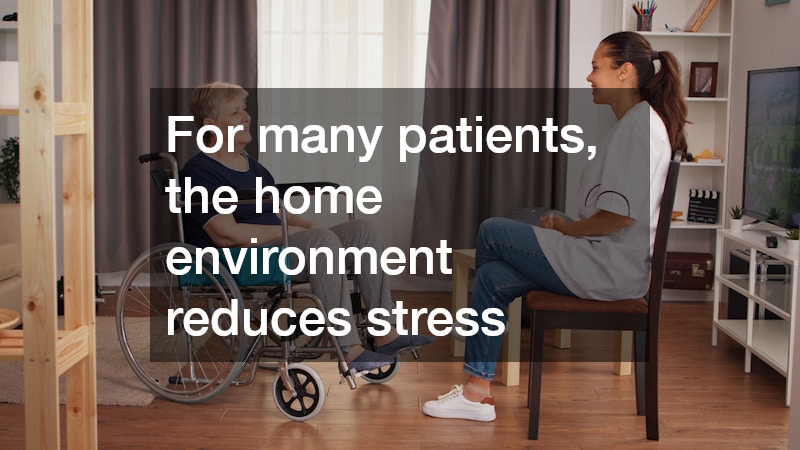



As the population ages and healthcare needs evolve, the demand for quality medical support in the comfort of one’s own home has surged. Families and patients alike are increasingly seeking options that allow for personalized care without the need for frequent hospital visits. This shift has positioned in home health care service as a critical component of modern healthcare, providing both convenience and peace of mind. From managing chronic conditions to offering post-surgery support, these services are transforming the way we approach health and wellness.
Healthcare systems across the world are recognizing the value of delivering care at home. For many patients, the home environment reduces stress, encourages faster recovery, and allows caregivers to tailor support to individual needs. As technology continues to advance, and as the demand for patient-centered care grows, in home service is becoming an essential option for families navigating complex medical needs.
Personalized Care in the Comfort of Home
One of the most significant advantages of in home health care service is the ability to receive personalized attention. Unlike traditional healthcare facilities, where nurses and doctors must divide their time among many patients, home-based services focus solely on the individual’s needs. This means that care plans can be tailored to address specific health concerns, medication schedules, mobility assistance, and even emotional well-being.
For example, elderly patients managing multiple chronic conditions benefit greatly from caregivers who understand their daily routines and unique health requirements. Personalized care not only improves adherence to treatment plans but also enhances quality of life. Families often report greater satisfaction knowing their loved ones are receiving attention in a familiar and comfortable setting. With the rise of telehealth and remote monitoring tools, in home services now integrate technology to track vital signs, remind patients to take medications, and keep healthcare providers updated in real time.
Supporting Independence and Reducing Hospital Visits
Another key factor driving the growth of in home health care service is its ability to support patient independence. Many individuals prefer to maintain their daily routines and live in their own homes rather than relocating to assisted living or long-term care facilities. Skilled home care professionals provide assistance with activities of daily living, such as bathing, dressing, meal preparation, and mobility support, while encouraging patients to retain as much independence as possible.
This approach also has significant implications for the healthcare system as a whole. By reducing the need for frequent hospital visits or extended stays, in home service helps alleviate the burden on hospitals and emergency care facilities. Patients who receive consistent monitoring and support at home are less likely to experience complications that require hospitalization. This proactive approach not only improves patient outcomes but also reduces healthcare costs for families and insurance providers.
Addressing the Emotional and Social Needs of Patients
While physical health is a primary focus, the emotional and social well-being of patients is equally important. Many individuals receiving care at home experience reduced feelings of isolation and loneliness, which can have a direct impact on their overall health. Caregivers offering in home health care service are trained not only to provide medical support but also to engage patients in meaningful conversation, companionship, and recreational activities.
The emotional support provided by home care professionals can significantly improve mental health outcomes, particularly for elderly patients or those recovering from surgery. Patients often feel more secure knowing they have consistent, trusted support available, which can help reduce anxiety and stress. Additionally, families gain peace of mind knowing their loved ones are safe, cared for, and receiving attention that extends beyond physical health.
The Future of Home Health Care Service
The increasing demand for in home health care service reflects a broader trend in healthcare toward patient-centered, convenient, and cost-effective solutions. As the population continues to age and more individuals seek to manage health conditions from home, this sector is expected to expand rapidly. Innovations in medical technology, remote monitoring, and telehealth are enhancing the quality and efficiency of home care, making it an even more attractive option for families and patients.
Moreover, the emphasis on personalized, compassionate care ensures that in home service remains a critical part of the healthcare landscape. Patients benefit from customized attention, independence, and emotional support, while families experience reduced stress and enhanced confidence in their loved one’s care plan. As more people recognize the value of receiving care in a familiar environment, the demand for home health services will continue to grow.
In today’s evolving healthcare environment, in home health care service has emerged as a vital solution for patients seeking convenience, personalized attention, and independence. By addressing both physical and emotional needs, these services improve quality of life and support faster recovery, all while reducing strain on hospitals and caregivers. With the integration of technology and a growing focus on patient-centered care, the future of home health services looks promising. Families and patients alike are discovering that receiving professional medical support at home is not just a luxury—it’s an essential component of modern healthcare, and the demand for these services is only expected to rise.