



Key Takeaways
- Small daily self-care habits can help moms reduce stress, improve energy, and support emotional well-being.
- Prioritizing sleep, hydration, nutritious meals, and regular movement can improve both physical and mental health.
- Setting healthy boundaries and learning to ask for help can reduce overwhelm and prevent burnout.
- Creating simple routines, taking short breaks, and reducing clutter can make daily life feel more manageable.
- Spending time outdoors, practicing mindfulness, and limiting screen overload may help improve mood and mental clarity.
- Maintaining hobbies, friendships, and personal interests supports emotional balance and identity outside of caregiving roles.
- Consistent self-care practices benefit not only moms but also the overall health and atmosphere of the entire family.
Mothers often spend so much time caring for everyone else that they forget to care for themselves. Between parenting, work, household chores, errands, and emotional responsibilities, many moms feel physically and mentally exhausted by the end of the day.
Self-care can sometimes sound like a luxury, but it is actually an important part of staying healthy and emotionally balanced. Taking care of yourself helps improve energy, mood, patience, focus, and overall well-being. It also helps moms show up more fully for their families and daily responsibilities.
The good news is that self-care does not always require expensive spa trips, long vacations, or large amounts of free time. Small daily habits can make a meaningful difference in how moms feel physically, mentally, and emotionally.
This guide explores simple and realistic ways moms can recharge every day while creating healthier routines that support long-term wellness.
Why Self-Care Matters for Moms
Mothers often carry many responsibilities at once.
These responsibilities may include:
- Childcare
- Cooking
- Cleaning
- Work
- Scheduling
- Emotional support
- Household management
Constantly giving energy to others without recharging can lead to:
- Burnout
- Stress
- Exhaustion
- Irritability
- Anxiety
- Poor sleep
Self-care helps restore physical and emotional energy.
When moms feel healthier and more balanced, it often benefits the entire family.
Self-care is not selfish. It is part of maintaining overall health and well-being.
Redefine What Self-Care Really Means

Many people think self-care has to involve expensive activities or large amounts of time.
In reality, self-care can include simple daily actions that help you feel calmer, healthier, and more supported.
Self-care may involve:
- Drinking enough water
- Taking short breaks
- Resting
- Asking for help
- Going for walks
- Reading quietly
- Stretching
- Eating nutritious meals
Small habits repeated consistently often create the biggest long-term improvements.
Start the Day With Quiet Time
Many moms begin the day immediately responding to responsibilities.
Starting the morning with even a few quiet minutes can help create a calmer mindset.
Morning Self-Care Ideas
- Drink coffee or tea slowly
- Stretch
- Practice deep breathing
- Journal briefly
- Sit outside
- Read a few pages of a book
Even 10 minutes of peaceful time can improve stress levels throughout the day.
Prioritize Sleep Whenever Possible
Sleep is one of the most important parts of physical and mental health.
However, many moms regularly sacrifice sleep to finish chores, work, or caregiving tasks.
Lack of sleep can affect:
- Mood
- Energy
- Patience
- Memory
- Focus
- Immune function
Tips for Better Sleep
- Create a relaxing bedtime routine
- Limit screen time before bed
- Keep bedrooms cool and dark
- Avoid caffeine late in the day
- Go to bed consistently when possible
Perfect sleep schedules are not always realistic for parents, especially with young children, but improving sleep habits gradually can still help.
Stay Hydrated Throughout the Day
Many busy moms forget to drink enough water.
Dehydration can contribute to:
- Fatigue
- Headaches
- Irritability
- Poor concentration
Simple ways to drink more water include:
- Carrying reusable water bottles
- Using reminder apps
- Drinking water during meals
- Keeping water nearby throughout the day
Small hydration habits can improve energy and overall wellness.
Move Your Body Regularly
Exercise does not have to mean intense gym workouts.
Simple movement can help:
- Reduce stress
- Improve mood
- Increase energy
- Support better sleep
Easy Movement Ideas for Busy Moms
- Walking
- Stretching
- Dancing with kids
- Yoga
- Short home workouts
- Outdoor activities
Even short periods of movement can improve mental clarity and emotional balance.
Learn to Say No Sometimes
Many moms feel pressure to handle everything for everyone.
Overcommitting can quickly lead to overwhelm.
Setting healthy boundaries may involve:
- Declining extra obligations
- Asking others to help
- Limiting unnecessary activities
- Protecting personal time
Saying no to some things creates space for rest and recovery.
Create Small Daily Breaks
Moms often move from one task directly to another without pausing.
Short breaks throughout the day can help reduce mental exhaustion.
Quick Reset Ideas
- Step outside for fresh air
- Listen to calming music
- Sit quietly for five minutes
- Stretch
- Practice deep breathing
Tiny moments of rest can improve patience and focus.
Eat Nourishing Meals
Busy schedules sometimes lead moms to skip meals or rely heavily on convenience foods.
Nutrition affects:
- Energy
- Mood
- Hormones
- Stress levels
Simple healthy eating habits may include:
- Preparing snacks ahead of time
- Adding more fruits and vegetables
- Eating protein regularly
- Avoiding excessive sugar
Balanced meals help support long-term wellness.
Ask for Help Without Guilt
Many moms feel guilty asking for support, but no one is meant to handle everything alone.
Support may come from:
- Partners
- Family members
- Friends
- Childcare providers
- Community groups
Accepting help can reduce stress and create more opportunities for rest.
Limit Constant Multitasking
Multitasking often increases mental fatigue and stress.
Instead of doing several things at once, focus on:
- One task at a time
- Prioritizing important responsibilities
- Slowing down when possible
Being more present can improve both productivity and emotional well-being.
Create Relaxing Evening Routines
Evening routines help signal the body and mind to relax.
Calming Evening Habits
- Reading
- Warm showers
- Gentle stretching
- Herbal tea
- Lower lighting
- Quiet music
Consistent evening routines may improve sleep quality and reduce stress.
Spend Time Outdoors
Fresh air and sunlight can positively affect mood and mental health.
Outdoor activities may include:
- Walks
- Gardening
- Sitting outside
- Visiting parks
- Family outdoor time
Nature often provides a calming effect that helps reduce emotional exhaustion.
Let Go of Perfectionism
Many moms place unrealistic pressure on themselves to:
- Keep perfect homes
- Always stay productive
- Handle every problem flawlessly
Perfectionism can increase stress and burnout.
It is okay for:
- Laundry to wait
- Meals to be simple
- Homes to look lived in
- Schedules to feel imperfect sometimes
Progress matters more than perfection.
Stay Connected to Friends and Support Systems
Isolation can make stress feel heavier.
Maintaining supportive relationships helps moms feel:
- Encouraged
- Understood
- Less alone
Even short conversations with trusted friends can improve emotional well-being.
Connection matters for mental health.
Practice Simple Mindfulness
Mindfulness means paying attention to the present moment without judgment.
Simple mindfulness exercises may help reduce anxiety and mental overload.
Easy Mindfulness Practices
- Deep breathing
- Quiet walks
- Meditation apps
- Journaling
- Focusing on one activity at a time
Mindfulness does not need to be complicated to be helpful.
Organize the Home Gradually
Clutter and disorganization can contribute to stress.
However, trying to organize everything at once may feel overwhelming.
Focus on:
- Small cleaning tasks
- One room at a time
- Simple systems
- Daily resets
A calmer home environment often supports emotional wellness too.
Balance Responsibilities More Realistically
Many moms struggle with balancing wellness and home responsibilities because household tasks can feel endless.
Creating more realistic expectations and sharing responsibilities when possible can help reduce burnout.
Helpful strategies may include:
- Family chore systems
- Simplified routines
- Meal planning
- Lowering unrealistic standards
Balance does not mean doing everything perfectly every day.
It means creating routines that feel sustainable.
Protect Personal Interests and Hobbies
Mothers sometimes stop making time for activities they personally enjoy.
Hobbies help support:
- Creativity
- Stress relief
- Identity outside of parenting
- Emotional recharge
Hobbies may include:
- Reading
- Crafting
- Painting
- Baking
- Gardening
- Photography
Making space for personal interests helps support emotional well-being.
Reduce Screen Overload
Constant phone use and social media exposure can increase stress and comparison.
Taking breaks from screens may improve:
- Focus
- Sleep
- Mood
- Mental clarity
Ways to Reduce Screen Stress
- Turn off notifications
- Limit social media scrolling
- Create screen-free times
- Avoid phones before bed
More intentional screen habits can help create calmer daily routines.
Celebrate Small Wins
Many moms focus only on unfinished tasks.
Recognizing small accomplishments helps build confidence and motivation.
Small wins may include:
- Finishing laundry
- Drinking enough water
- Taking a walk
- Resting when needed
- Completing a difficult day
Small progress still matters.
Build Flexible Routines
Rigid schedules can sometimes create more stress, especially with children.
Flexible routines often work better than strict perfection.
Try building routines around:
- Consistent meal times
- Bedtime habits
- Family responsibilities
- Daily priorities
Structure helps, but flexibility is also important.
Don’t Ignore Mental Health
Mental and emotional health deserve attention just as much as physical health.
Persistent feelings of:
- Anxiety
- Sadness
- Overwhelm
- Hopelessness
- Emotional exhaustion
may require professional support.
Therapists, counselors, and support groups can provide valuable help.
Seeking support is a sign of strength, not weakness.
Create Small Self-Care Spaces at Home
A relaxing environment can support daily wellness.
Self-care spaces do not need to be large or expensive.
Ideas include:
- Reading corners
- Relaxing bedrooms
- Quiet outdoor seating
- Small meditation areas
Comfortable spaces encourage moments of rest and calm throughout the day.
Focus on Consistency Instead of Perfection
Self-care works best when it becomes part of regular life.
Tiny daily habits are often more realistic than occasional major efforts.
Examples include:
- Drinking water daily
- Stretching for five minutes
- Taking short breaks
- Going to bed slightly earlier
Consistency creates long-term benefits over time.
Teach Children Healthy Habits Too
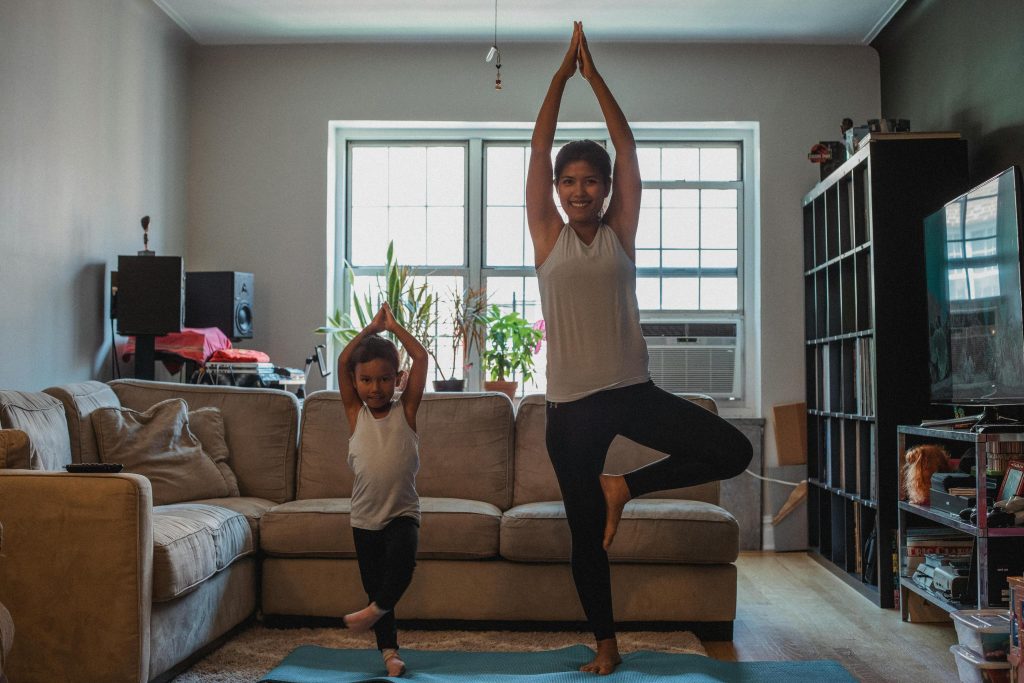
When moms prioritize wellness, children often learn healthier habits as well.
Children benefit from seeing:
- Rest
- Healthy eating
- Emotional regulation
- Exercise
- Boundaries
- Self-respect
Modeling healthy behaviors can positively influence the entire family.
Final Thoughts
Self-care for moms is not about perfection, expensive routines, or unrealistic expectations. It is about finding small and meaningful ways to recharge physically, mentally, and emotionally during everyday life.
Simple habits like getting enough rest, moving regularly, asking for help, creating quiet moments, and setting healthier boundaries can make a major difference over time.
Mothers give so much to their families every day, but caring for yourself is also an important part of caring for others. Prioritizing wellness helps support better energy, emotional balance, patience, and overall quality of life.
Even small daily moments of self-care can help moms feel more refreshed, supported, and capable of handling life’s many responsibilities with greater balance and confidence.
