

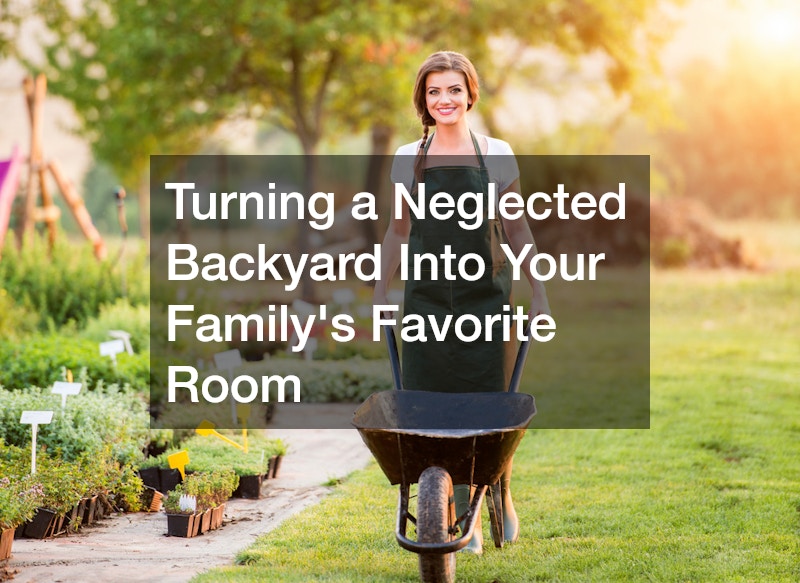

A backyard that’s overgrown, patchy, and cluttered can feel like wasted space rather than a place your family wants to spend time. The good news is that turning things around doesn’t require a total overhaul overnight or an unlimited budget. With a clear plan and the right priorities, you can transform a forgotten patch of grass into the room your family actually fights over. This outline walks through the practical steps, in order, so you know exactly where to start and what to tackle next.
Assess the Current State of Your Yard

Before buying a single plant or tool, walk your yard with fresh eyes and take stock of what you’re working with. Look at soil quality, drainage patterns, sun exposure throughout the day, and any structural issues like a leaning fence or cracked patio. Take photos from different angles so you can track progress and revisit ideas later.
It also helps to make a simple list of problems by category, separating cosmetic issues from safety concerns. A dead tree branch hanging over the play area is a different kind of priority than a few weeds in the flower bed, and it may mean scheduling tree cutting sooner rather than later, or even looking into tree removals if the trunk itself is diseased or unstable. Sorting issues this way keeps you from getting overwhelmed and helps you tackle the most urgent items first.
- Note any standing water or soggy areas after rain
- Check fences, gates, and retaining walls for stability
- Identify trees or shrubs that look diseased or dead
- Mark areas with full sun versus mostly shade
- Photograph the yard from the same spots seasonally
Clear Out Overgrowth and Address Tree Hazards
Overgrown trees and shrubs are often the biggest visual and safety obstacle in a neglected yard, and they’re usually the first thing to tackle. Large branches hanging near the roofline or over a play structure pose real risk, especially during storms, so this is not always a do-it-yourself job. A professional tree service can evaluate which limbs need attention and whether any trees are structurally compromised.
Depending on what they find, you may need anything from light tree trimming to a more involved plan for trees that are dead, diseased, or planted too close to the house. Clearing out overgrown shrubs and low-hanging brush along fence lines also opens up sightlines and makes the whole yard feel bigger right away. Getting this step handled early clears the way for everything else you want to do in the space.
- Look for cracked bark, fungus, or hollow spots on trunks
- Watch for branches rubbing against the roof or siding
- Rake out dead leaves and debris piled against fences or the house
- Schedule major limb work before storm season if possible
Restore the Lawn to a Healthy Foundation
A patchy, weedy lawn makes even a well-designed backyard feel unfinished, so restoring the grass is worth doing early in the process. Start by testing your soil’s pH and nutrient levels, since many lawn problems trace back to soil that’s too acidic, compacted, or lacking basic nutrients. Aerating compacted soil and overseeding bare patches in the right season can make a dramatic difference within a few months.
If your schedule or knowledge of turf types feels like a barrier, hiring a lawn care company to handle seasonal fertilization, weed control, and mowing schedules can save you a lot of trial and error. Many families find that a maintenance plan pays for itself by preventing the kind of neglect that led to the current situation in the first place. A healthy lawn also becomes the backdrop that makes every other backyard feature look better.
- Test soil pH before choosing fertilizer or amendments
- Aerate compacted areas in early fall or spring
- Overseed bare patches with grass suited to your climate
- Set a consistent mowing height to encourage deep roots
Manage Pests Before They Take Over Your Plans

Neglected yards are magnets for pests, and getting ahead of them protects both your landscaping investment and your family’s comfort outdoors. Ants, ticks, and rodents often set up shop in overgrown grass, woodpiles, or cluttered corners, and they can spread quickly once established. A walk-through inspection early in your project will tell you whether you’re dealing with a minor nuisance or a bigger infestation.
For persistent or widespread problems, a local pest control company can identify exactly what you’re dealing with and apply treatments that are safe for kids and pets. This is especially worthwhile if you’ve found evidence of termites near wood structures or ants nesting close to the foundation. Addressing pests before you build new features like a deck or patio prevents costly repeat treatments later.
- Remove standing water, woodpiles, and debris piles
- Check under decks and sheds for nesting activity
- Look for termite mud tubes near foundations or wood
- Keep mulch a few inches away from your home’s siding
Keep Mosquitoes From Ruining Evenings Outside
Even a beautifully restored backyard won’t get used much if everyone gets eaten alive the moment the sun goes down. Mosquitoes breed in even small amounts of standing water, so gutters, birdbaths, and old flowerpots are common culprits worth checking regularly. Simple habit changes, combined with the right treatments, can make a huge difference in how comfortable your evenings outside actually feel.
Many families invest in professional mosquito control services that use barrier treatments or misting systems to keep populations down through the warmer months. These services are typically scheduled seasonally and can be adjusted based on rainfall and how much time your family spends outside. Pairing professional treatment with basic yard habits gives you the best results without relying on citronella candles alone.
- Empty standing water from containers weekly
- Trim tall grass and brush where mosquitoes rest during the day
- Consider a fan for patio areas, since mosquitoes fly poorly in wind
- Ask about treatment schedules timed around outdoor events
Define the Boundaries With a New or Repaired Fence
Once the yard itself is healthier, it’s worth looking at the boundaries that frame the whole space. An old, leaning, or gap-filled fence not only looks tired, it can also be a safety issue if you have young kids or pets who might wander. Replacing or repairing fencing is also one of the more noticeable upgrades you can make, since it instantly changes how finished the yard feels.
A reputable fence company can walk you through material options, from classic wood to low-maintenance vinyl or metal, based on your budget and how much privacy or visibility you want. They can also advise on local codes regarding height and setback requirements, which vary more than most homeowners expect. Getting this piece right early gives you a clear, safe boundary to build the rest of your outdoor plans around.
- Check property lines before installing or replacing fencing
- Compare wood, vinyl, aluminum, and chain-link for maintenance needs
- Ask about warranty coverage on materials and installation
- Consider gate placement based on how your family moves through the yard
Add a Deck or Patio as a Gathering Space
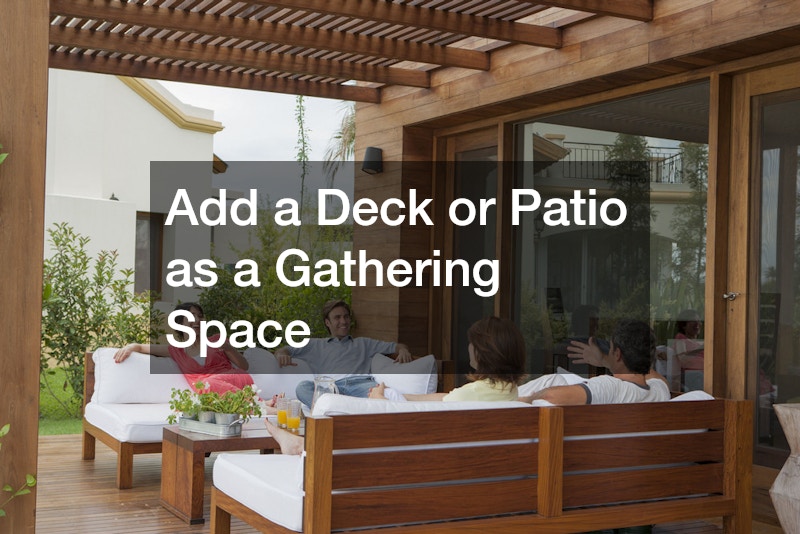
With the ground-level work done, many families find that adding a dedicated gathering space is what finally makes the backyard feel like a room rather than leftover land. This is the piece that turns a yard into an actual destination — a place with a clear purpose, not just grass to walk across on the way to somewhere else.
A deck raises the living space above uneven ground and can be designed to connect directly to your kitchen or living room for easy indoor-outdoor flow. This makes it a smart choice for sloped yards, homes with a raised first floor, or properties with rocky or poor-draining soil where a ground-level surface isn’t practical. Composite decking has become popular because it resists rot and warping and needs little more than an occasional rinse, while pressure-treated wood costs less upfront but requires periodic staining or sealing.
A patio, by contrast, sits at ground level and often costs less while still creating a defined space for furniture and grilling. Materials like poured concrete, pavers, or natural stone each bring different price points and maintenance needs — pavers, for instance, are easy to repair individually if one cracks or shifts. Because patios sit flush with the yard, they also tend to feel more open and blend more naturally into surrounding landscaping.
Whichever option you choose, size it for how your family actually gathers: a 12×12-foot space fits a small table and a few chairs, while 16×20 feet gives room for a dining set, a grill, and a lounge area without feeling cramped.
A deck or patio instantly becomes the heart of a backyard, giving your family a defined space for dinners, lounging, and entertaining. But getting there without costly missteps usually means bringing in a professional rather than tackling it solo.
Working with an experienced deck builder helps you avoid common mistakes like undersized footings, poor drainage beneath the structure, or a layout that doesn’t account for furniture flow. A footing that’s too shallow for your region’s frost line, for instance, can lead to heaving and cracking within a few seasons. A builder will also account for slope and grading so water flows away from your home’s foundation instead of pooling underneath the deck.
They can also help you choose materials suited to your climate, since composite boards resist weather differently than natural wood. Composite decking, for example, holds up well in humid or rainy climates and needs little upkeep, while cedar or redwood offer a warmer look but require regular sealing and staining. If you’re leaning toward a patio instead, your builder can compare pavers, stamped concrete, and natural stone based on durability, slip resistance, and how each handles freeze-thaw cycles.
This is usually one of the bigger investments in a backyard renovation, so getting the planning stage right matters. Think through sizing early — a 12×16-foot deck comfortably fits a dining set and a few lounge chairs, while anything smaller may feel cramped once you add a grill or fire pit. Discussing your family’s actual habits, whether that’s weekend barbecues or quiet morning coffee, will help the builder design a space you’ll actually use for years to come.
- Decide whether you want a raised deck or ground-level patio based on your yard’s slope, drainage, and how much you want the space to feel connected to the house versus the lawn
- Ask about composite versus natural wood decking materials, weighing composite’s higher upfront cost against its low maintenance versus wood’s warmth but need for regular staining and sealing
- Plan for shade structures or pergolas early in the design so footings, posts, and electrical for fans or lighting can be built in from the start
- Consider adding a fire pit, built-in seating, or an outdoor kitchen area if the gathering space will double as an entertaining hub
- Confirm permit requirements before construction begins, since most municipalities require permits for decks over a certain height or square footage
- Check setback rules and get utility lines marked to avoid costly surprises once digging or building starts
Consider a Pool for Long-Term Family Enjoyment
If your family spends summers looking for reasons to stay outside, a pool can turn your backyard into the default hangout spot for years to come. Pools are a bigger commitment than most other backyard features, both financially and in terms of ongoing maintenance, so it’s worth thinking through your family’s actual usage patterns before committing. Above-ground, in-ground, and plunge pool options all offer different tradeoffs in cost, installation time, and long-term upkeep.
A qualified pool company can walk you through sizing, safety fencing requirements, and filtration systems that match your climate and household size. They can also give you a realistic picture of ongoing costs, including chemicals, cleaning, and seasonal opening and closing if you live somewhere with cold winters. Taking time to compare quotes and ask about warranty terms will save you headaches well after installation.
- Compare in-ground, above-ground, and plunge pool options
- Ask about local safety fencing and code requirements
- Factor in ongoing costs for chemicals and cleaning
- Consider saltwater systems if you want lower chemical maintenance
Bring in Furniture, Lighting, and Personal Touches

With the structural and maintenance work handled, the final layer is what actually makes the space feel like your family’s own. Comfortable seating, weather-resistant cushions, and a shaded spot to escape direct sun all encourage people to linger rather than just pass through. String lights, solar path lights, or a simple fire pit can extend usable hours well into the evening.
Personal touches matter just as much as function, whether that’s a garden bed the kids help tend or a chalkboard fence panel for outdoor art. These smaller additions are inexpensive compared to the earlier structural work but often end up being what your family remembers most. Give yourself permission to add these pieces gradually rather than trying to finish everything in one weekend.
- Choose weather-resistant fabrics for cushions and rugs
- Add layered lighting for both function and ambiance
- Include at least one flexible seating area for larger gatherings
- Let kids help pick a few personal touches for buy-in
Turning a neglected backyard into a space your family actually wants to use happens step by step, not overnight, and every stage builds on the one before it. Start with the assessment, handle the safety and health basics, and then layer in the features that match how your family really spends time outside. Whether that means a new fence, a deck, or simply a healthier lawn, each improvement adds up to a backyard worth coming home to.
