


Your family’s needs today will look completely different in five or ten years, yet most homes are designed as if life stands still. A nursery becomes a teenager’s bedroom, a home office turns into a playroom, and empty corners eventually fill with hobbies you haven’t discovered yet. Designing spaces that flex and grow with you saves money, reduces stress, and helps your home feel right at every stage of life. This guide walks through practical ways to plan, furnish, and maintain a home that adapts as your family does.
Planning Ahead Before You Break Ground

If you are still in the planning phase, the earliest decisions you make will have the biggest long-term payoff. Working with a team experienced in new home construction allows you to build flexibility into the floor plan from day one, rather than paying to retrofit it later. Retrofitting after move-in almost always means higher costs, since you’re cutting into finished walls, rerouting wiring, and matching materials that may no longer be available.
Features like wider hallways, extra electrical outlets, and rooms with dual-purpose potential cost very little extra during the build but save thousands down the road. A hallway widened by even a few inches can accommodate a wheelchair or stroller later, while adding outlets in unexpected spots, like inside closets or along kitchen islands, prevents awkward extension cords down the line.
It also pays to think about structural elements you can’t easily see, like reinforced framing for a future second story, plumbing stubbed out for a basement bathroom, or an oversized panel that can handle added circuits. These choices often add a small percentage to the overall budget but eliminate major renovation headaches five or ten years later.
Finally, consider how each room might need to flex as your family grows or shrinks. A main-floor office with a closet and nearby bathroom can become a guest suite or bedroom for aging parents, and a bonus room over the garage can shift from playroom to teen hangout to home gym without ever needing a full remodel.
Think of your new home construction project as an investment in adaptability, not just square footage. Before you finalize blueprints, ask your builder about movable interior walls, unfinished bonus rooms, and plumbing rough-ins in areas you might convert into a bathroom or laundry room later. A rough-in for a future bathroom, for instance, might add only $500 to $1,500 to your build cost, compared to several thousand dollars for retrofitting plumbing through finished walls and flooring.
Consider oversized closets that could become a home office, or a garage bay wired and insulated for future conversion into a guest suite. Ask about ceiling heights, load-bearing wall placement, and electrical panel capacity too, since these details determine how easily a space can be reconfigured down the road.
These small additions during construction are far cheaper than remodeling after you move in, and they give your family room to grow without a major renovation project.
- Request extra outlets and data lines (aim for one outlet every 6 feet, plus Cat6 or fiber runs) in rooms that may later become offices or media spaces
- Consider a flexible layout with a bonus room over the garage, sized at least 12×15 feet to accommodate a bedroom, playroom, or home gym down the road
- Ask about rough-in plumbing for a future bathroom or wet bar, including capped drain lines and shutoff valves stubbed into the slab or subfloor
- Choose load-bearing wall placements that allow easier future renovations, favoring perimeter walls over central ones so interior spaces stay open
- Discuss HVAC zoning early, since adding square footage or converting a garage later often requires extra ductwork or a mini-split system
- Confirm the electrical panel has spare breaker slots (200-amp service is a safe baseline) to support future additions without a costly upgrade
Furnishing Rooms That Can Change Purpose
Furniture is one of the easiest ways to make a room adaptable without major renovation. A good furniture store will carry modular sofas, extendable tables, and storage systems designed to be reconfigured as your family’s routines shift. Instead of buying pieces that only work for one specific room, look for items that can move between spaces as needs change.
When shopping, prioritize furniture with multiple functions over pieces that serve only one purpose. A daybed that doubles as a guest bed, a coffee table with hidden storage, or a desk that folds away can all help a single room serve several roles over time. This approach reduces clutter and delays the need for a bigger house.
- Modular sectionals that reconfigure for different room shapes
- Extendable dining tables for growing families or guests
- Storage ottomans and benches that double as seating
- Convertible cribs that transition into toddler beds
Powering Your Home for Long-Term Efficiency
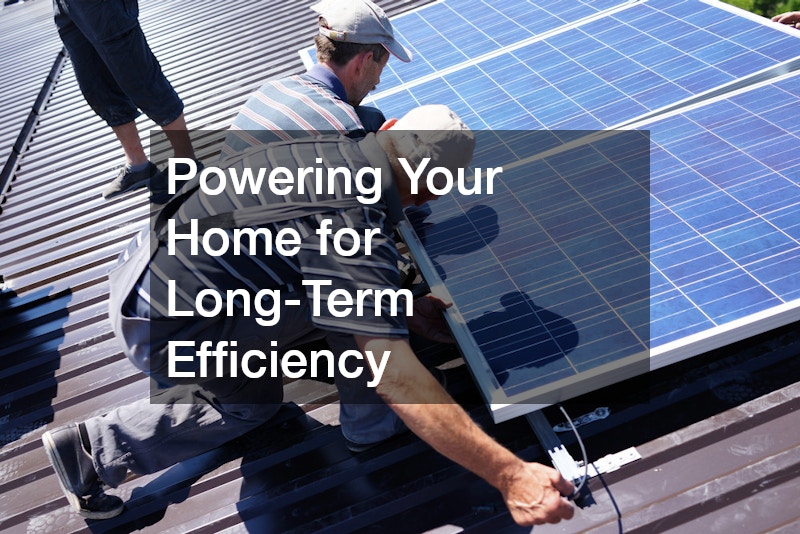
As families add more devices, appliances, and even electric vehicles, energy demand tends to climb steadily over the years. Many homeowners now consult a solar company early in their planning process to understand how solar panels can offset rising utility costs before those costs become a burden. Installing solar infrastructure while renovating or building new is often more cost-effective than adding it later.
Beyond environmental benefits, solar energy offers predictability that helps with long-term financial planning for a growing household. A reputable solar company can also help you size a system that anticipates future additions, like a pool, home office, or expanded living space, so you are not stuck upgrading your system again in a few years.
- Ask about battery storage options for backup power
- Request a system sized for future additions, not just current usage
- Compare financing options including leases and ownership
- Look into local rebates or tax incentives before installing
Maintaining Comfort Through Every Life Stage
Temperature control needs change as families grow, with infants, elderly relatives, and home offices all having different comfort requirements. Skilled HVAC contractors can help design zoned systems that let you control temperature in different areas independently, which is especially useful when converting rooms for new purposes. This flexibility means you are not fighting over the thermostat as your household’s needs evolve.
Regular maintenance also matters more as your home ages and your system works harder to keep up with additional square footage or new occupants. Scheduling seasonal checkups with trusted HVAC contractors can catch small issues before they become expensive repairs, keeping your home comfortable no matter how your space is being used.
- Zoned systems for rooms with different temperature needs
- Smart thermostats that learn household patterns over time
- Seasonal maintenance to extend equipment lifespan
- Air quality upgrades for allergy-prone family members
Building a Media Space That Grows With Your Family
A dedicated space for movies, games, and gathering together is one of the most requested additions in growing homes. Setting up a flexible home entertainment area allows the room to serve toddlers watching cartoons today and teenagers hosting friends a few years later. Choosing equipment and layouts that scale with your needs prevents the space from feeling outdated too quickly.
Instead of committing to a single fixed setup, consider wiring and furniture arrangements that can support upgrades without tearing into walls again. A well-planned home entertainment area can shift from family movie nights to a home office backdrop or gaming lounge as priorities change over the years.
- Wall-mounted screens with hidden cable management for easy upgrades
- Comfortable seating that can be rearranged for different activities
- Sound systems that work for both movies and music
- Adjustable lighting to suit different times of day and activities
Upgrading Kitchen and Laundry Essentials
Kitchens and laundry rooms see the heaviest use in any home, and appliance needs shift significantly as family size changes. Visiting a local appliance store when planning a renovation lets you compare energy-efficient models sized appropriately for your household, whether you are downsizing or expecting to add more family members. Staff at these stores can also advise on which models offer the best long-term reliability.
It’s worth considering appliances with smart features that adjust to changing routines, such as washers with larger capacities or refrigerators with flexible storage configurations. A knowledgeable local appliance store can walk you through options that balance upfront cost with future needs, helping you avoid another purchase in just a few years.
- Larger capacity washers and dryers for growing households
- Refrigerators with adjustable shelving for changing storage needs
- Energy-efficient models that lower long-term utility costs
- Smart appliances that can be controlled remotely
Creating Outdoor Spaces for Relaxation and Recreation

Outdoor living areas often become the heart of family gatherings, especially as children grow older and want space to entertain friends. Working with experienced pool builders can help you design a pool area that suits both young children and teenagers, with features that can be adjusted as swimming skills and safety needs evolve. A well-planned pool area adds long-term value and enjoyment to a home.
Safety and comfort around the pool matter just as much as the design itself, particularly during evening hours when families often gather outside. Installing pool cage lights improves visibility for nighttime swimming and gatherings while also enhancing the overall ambiance of the outdoor space. These small additions make the area usable well beyond daylight hours.
- Shallow zones for young children with room to add depth later
- Safety fencing and covers that adjust as kids grow
- Energy-efficient pool cage lights for evening use
- Shaded seating areas for relaxing without direct sun exposure
Designing Landscaping That Adapts Over Time
A yard should be able to handle a swing set today and a garden or entertaining space tomorrow. Experienced landscapers can design layouts with flexible zones, such as open lawn areas that can later be converted into patios, gardens, or additional parking. Thinking ahead about drainage, irrigation, and plant placement now prevents costly changes later.
Low-maintenance landscaping choices also make it easier to adjust your outdoor space without starting from scratch. Many landscapers recommend native plants and modular garden beds that can be rearranged as your family’s outdoor activities change, whether that means more play space now or a quiet garden retreat later.
- Open lawn sections that can be repurposed for patios or gardens
- Irrigation systems designed for future landscaping changes
- Native plants that require less long-term maintenance
- Defined pathways that allow flexible zoning of outdoor areas
Making the Transition When It’s Time to Move

Even the most adaptable home eventually reaches its limits, and knowing when to move rather than renovate again is an important part of long-term planning. Signs it’s time include running out of usable square footage despite reconfiguring rooms, facing renovation costs that rival the price of a down payment elsewhere, or realizing the floor plan simply can’t accommodate a growing number of people and their routines.
When that time comes, hiring a local moving company that understands the logistics of relocating a growing household can make the transition far less stressful. Local movers familiar with your area often have better insight into building restrictions, parking permits, and elevator reservations in nearby neighborhoods, which can prevent costly delays on moving day.
Experienced movers can also help protect furniture and appliances you’ve invested in over the years, using proper padding, disassembly techniques, and specialized equipment for oversized items like sectional sofas or refrigerators. Getting quotes from two or three companies and asking about insurance coverage ahead of time can save headaches if anything is damaged in transit.
Planning your move with the same intentionality you used to design your previous home sets you up for success in the next one. Start by walking through your current space and noting what worked and what didn’t, then use that list to guide furniture choices and layout decisions in your new one.
A reliable local moving company can also offer packing and storage solutions that make it easier to transition seasonal items, like pool equipment or holiday decorations, between homes. Many local moving companies provide short-term storage options, ranging from a few weeks to several months, which can be especially useful if there’s a gap between closing dates.
Ask about specialty packing services for fragile or oddly shaped items, such as playroom furniture, sports equipment, or outdoor gear. It’s also worth requesting an inventory checklist so you know exactly what’s in storage and what’s already been delivered, reducing the chances of items getting lost or forgotten during the transition.
- Get moving quotes from at least three companies early, ideally 6-8 weeks before your move date
- Compare in-home versus binding estimates, since binding quotes lock in pricing and prevent surprise charges
- Ask about storage options for seasonal or bulky items, including climate-controlled units for furniture sensitive to humidity
- Check whether short-term storage-in-transit is available if your new home isn’t ready on moving day
- Confirm insurance coverage for valuable furniture and appliances, and ask whether it’s full-value protection or released-value coverage
- Photograph high-value items beforehand to support any claims if damage occurs
- Schedule the move during a lower-demand season, like fall or midweek in winter, for better rates
- Avoid weekends and month-end dates when possible, since these are typically the busiest and priciest
Designing a home that evolves with your family isn’t about predicting every future need perfectly, but about building in flexibility wherever possible. From the initial construction phase through furniture choices, energy planning, and outdoor upgrades, small decisions made today can save significant time and money later. Start by identifying which areas of your current home feel the most limiting, then tackle changes one space at a time. With thoughtful planning, your home can continue to support your family comfortably through every stage of life.
