
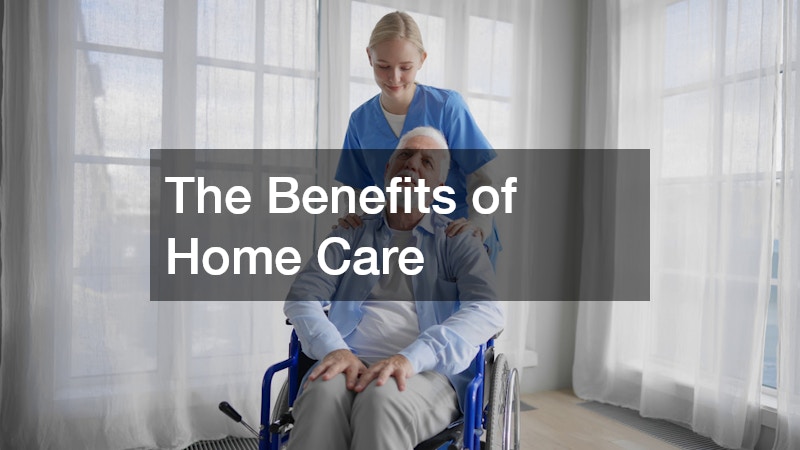

The healthcare sector increasingly values home care as crucial to delivering comprehensive health services. The growing elderly population, especially in developed countries, amplifies the demand for alternative care solutions that allow aging in place. Home care offers personalized attention, comfort, and convenience, often unattainable in institutions.
What is Home Care and How Does it Work?
Definition of Home Care
Home care involves health services delivered at home, focusing on daily living activities like bathing, dressing, and eating, and skilled medical services. It’s tailored to individual needs, maintaining independence and enhancing life quality, gaining preference for its flexibility and personalization.
Types of Services Offered in Home Care
Home care services cover physical and emotional needs, including skilled nursing, therapy sessions, medical social services, and assistance with non-medical tasks like meal preparation and homemaking. Respite care provides temporary relief to caregivers. It’s structured around patient-centered models, ensuring comprehensive care.
The Role of Caregivers in Home Care
Caregivers are crucial, providing medical, emotional, and psychological support that impacts patient recovery. They are skilled professionals delivering personalized care, offering reassurance and reducing isolation and depression among the elderly.
Eligibility Criteria for Home Care Services
Eligibility is determined through a health assessment, focusing on health status, functional ability, and assistance needs, influenced by chronic illnesses and recovery from surgery. Financial and insurance criteria also play a role, helping informed care choices.
Key Differences Between Home Care and Other Care Options
Home care differs from institutional settings, emphasizing personalized care in a familiar environment, fostering independence and allowing care plan adjustments. This flexibility makes home care appealing for less invasive, patient-centered healthcare.
The Cost Effectiveness of Home Care
Comparison with Hospital and Nursing Home Costs
Home care is cost-effective, avoiding high staff and facility costs in hospitals and nursing homes. It allows tailored services within financial capacities, reducing full-time care costs.
Impact of Home Care on Medical Expenses
Home care reduces overall costs by minimizing emergency interventions and hospital readmissions, and lowering hospital-acquired infections. It allows early health issue detection, promoting cost savings.
Financial Assistance and Insurance Coverage
Medicare, Medicaid, and private insurance offer home care coverage, with financial aids making it accessible. Understanding these options maximizes coverage and eases financial pressures.
Long-term Financial Benefits
Home care reduces hospital stays and interventions, saving costs over time, relieving public health system burdens with efficient resource use.
Case Studies Demonstrating Cost Savings
Case studies show quicker recoveries and fewer complications in home care, reducing readmissions and expenses. Families report lower costs and higher satisfaction, underlining home care’s financial sense.
How Home Care Supports Independence
Customized Care Plans for Individual Needs
Customized home care plans cater to individual health goals, promoting autonomy and empowering clients to make aligned care decisions.
Enhancing Quality of Life Through Home Care
Home care enhances life quality by ensuring both medical and non-medical needs are met in a familiar setting, promoting holistic wellness and routine maintenance.
Promoting Autonomy and Confidence
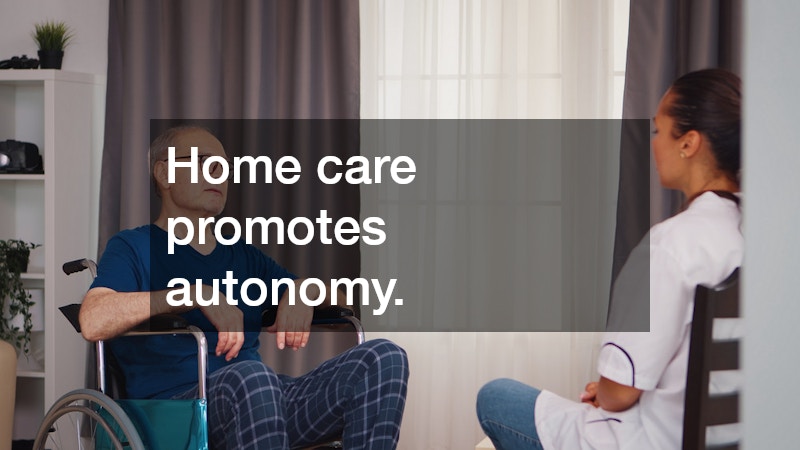
Home care promotes autonomy, reinforcing client capability, and resilience through control over their environment and schedule, enhancing overall health outcomes.
Role of Technology in Supporting Independent Living
Technological advancements enhance home care efficacy, allowing communication and monitoring, adding layers of safety and enabling proactive health management.
Emotional Benefits for Clients and Families
Home care supports emotional well-being, alleviates hospital-related anxiety, involves families in caregiving, and fosters a supportive environment for recovery.
The Impact of Home Care on Family Dynamics
Alleviating the Burden on Family Members
Home care reduces family caregiver demands, allowing focus on relationships rather than logistics, fostering a healthier dynamic.
Involving Family in the Care Process
Home care maintains family involvement, enabling collaborative care plan tailoring in alignment with client and family expectations.
Balancing Professional Help with Family Care
Balancing professional and family care creates an optimal caregiving environment, ensuring well-being while maintaining harmony.
Emotional Support and Communication
Home care integrates emotional support with open communication, ensuring client and family engagement and reducing stress.
Preserving Family Relationships
Professional caregivers take on challenging tasks, freeing families for quality time and strengthening emotional bonds.
The Future of Home Care
Emerging Trends in Home Care Services
Home care is evolving with preventive models, personalized medicine, and holistic care, shaping its future trajectory towards robust, patient-centered service.
Innovations Driving the Home Care Industry
Technological innovations enhance home care via telemedicine, AI monitoring, and robotic assistance, setting new delivery standards.
Predictive Data and Smart Home Technologies
Predictive analytics and smart technologies in home care prevent complications, enhance safety, and promote independence and peace of mind.
Regulatory Changes and Their Impact
Regulatory changes support home care expansion, ensuring quality services and client protection, facilitating access amid aging population demands.
Home care is transformative by customization, cost-management, and client empowerment, with technological and community support promising its continued integration into healthcare.